

Why buy from us?
Here are some reasons to choose us.
Ask a Question About This Product
- Stock: In Stock
- Model: PD0003
What Is an Underwater Handheld Metal Detector? Features, Uses, and Buying Guide
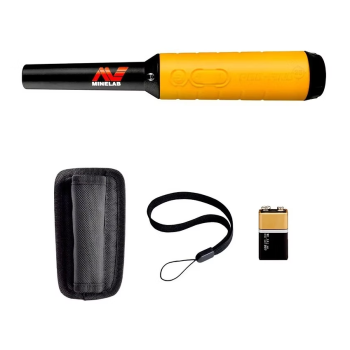
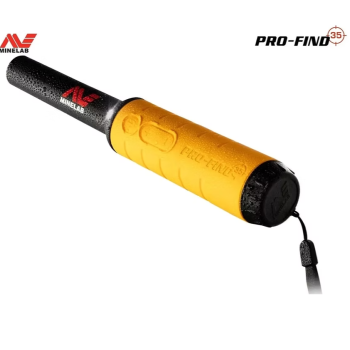
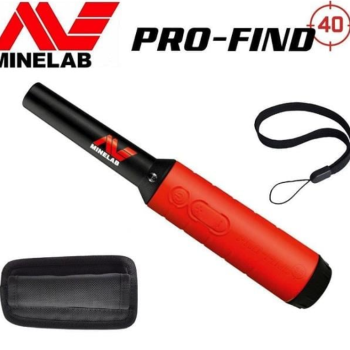
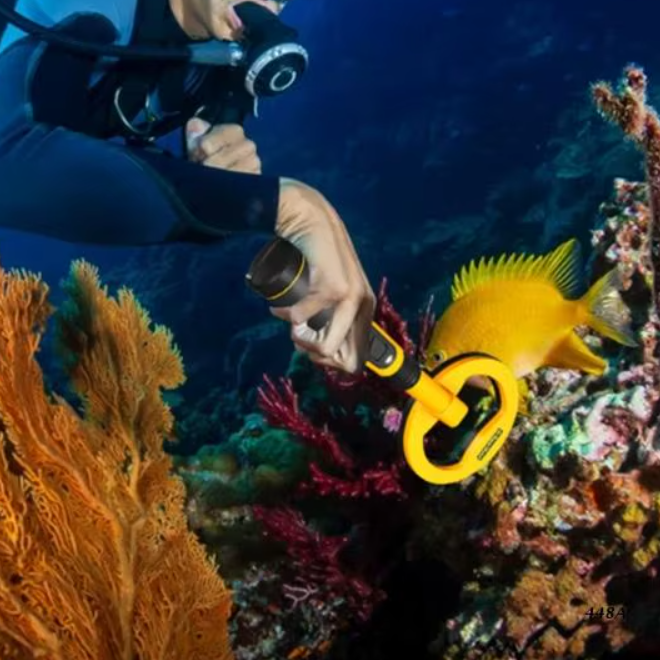
An underwater handheld metal detector is a specialized device designed to detect metal objects beneath the surface of water. Built for both professional divers and hobbyists, these detectors are widely used in activities ranging from archaeological exploration to recovering lost valuables. In this SEO-friendly guide, we’ll cover how these devices work, how to choose the right one, and where they are commonly used.
How Does an Underwater Metal Detector Work?
Underwater metal detectors operate by generating a magnetic field and detecting disturbances caused by nearby metal objects. Models that use pulse induction (PI) technology send short bursts of magnetic pulses, allowing for highly accurate detection.
This technology provides several advantages:
-
Detects both small and large metal objects
-
Performs well in challenging environments like saltwater
-
Reduces interference from mineralized ground
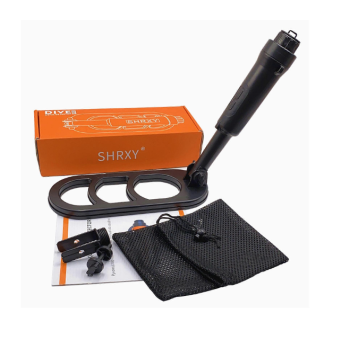
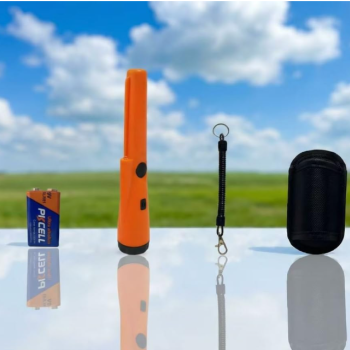
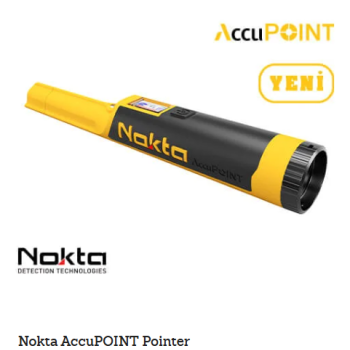
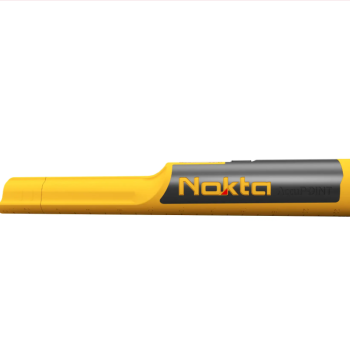
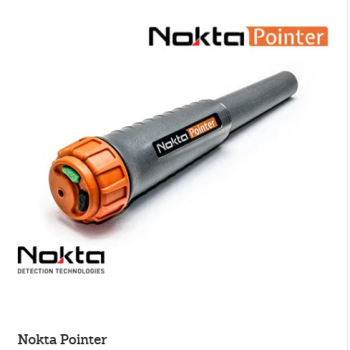
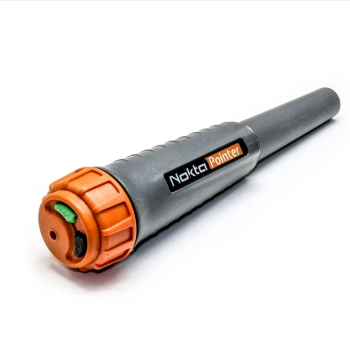
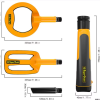
Featured Type: 60-Meter Diving-Capable Detector
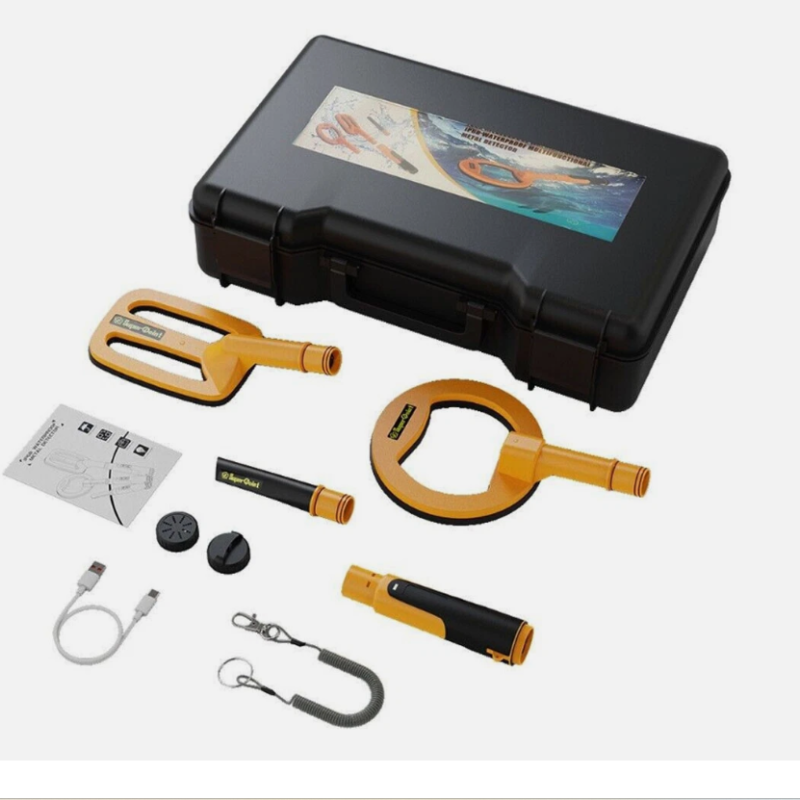
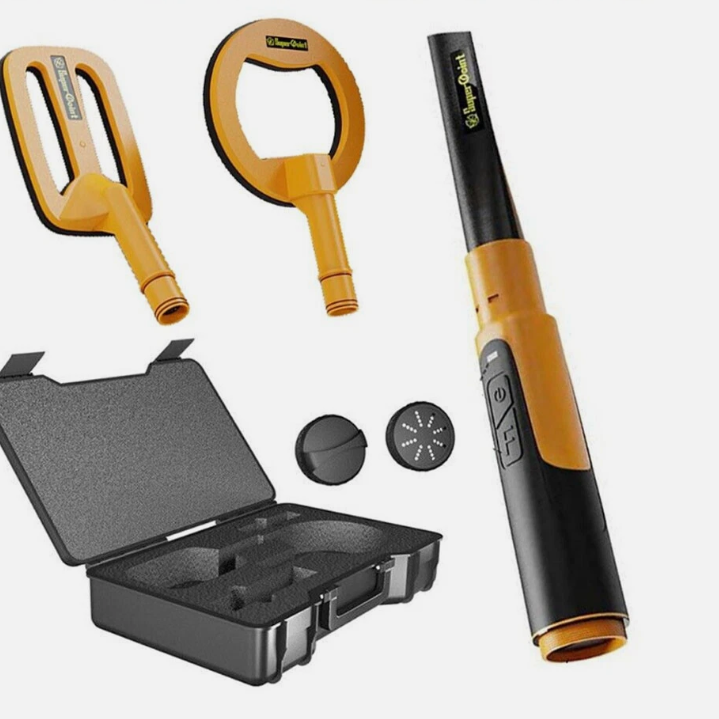
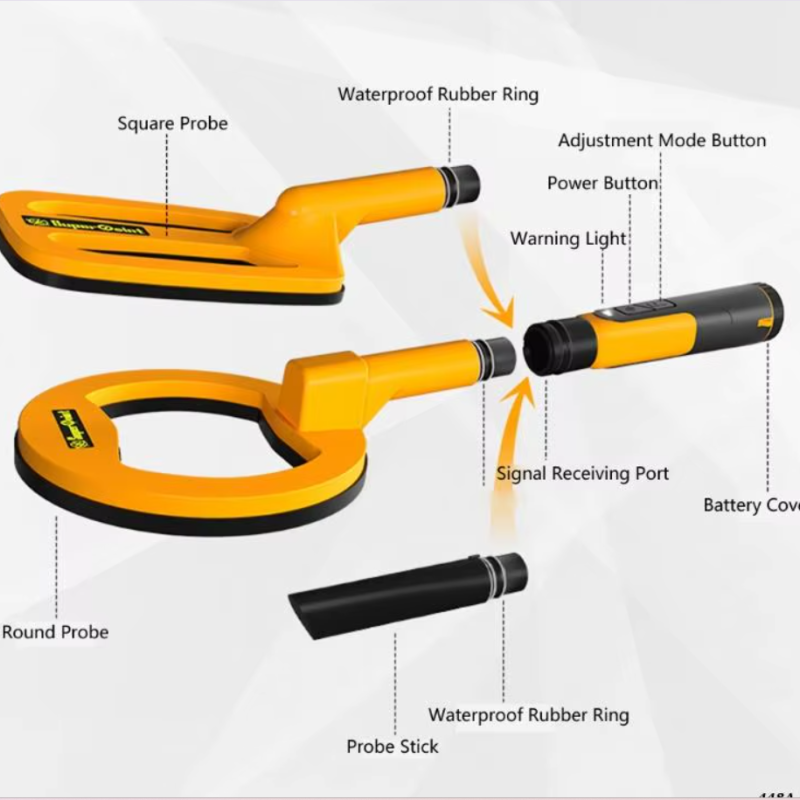
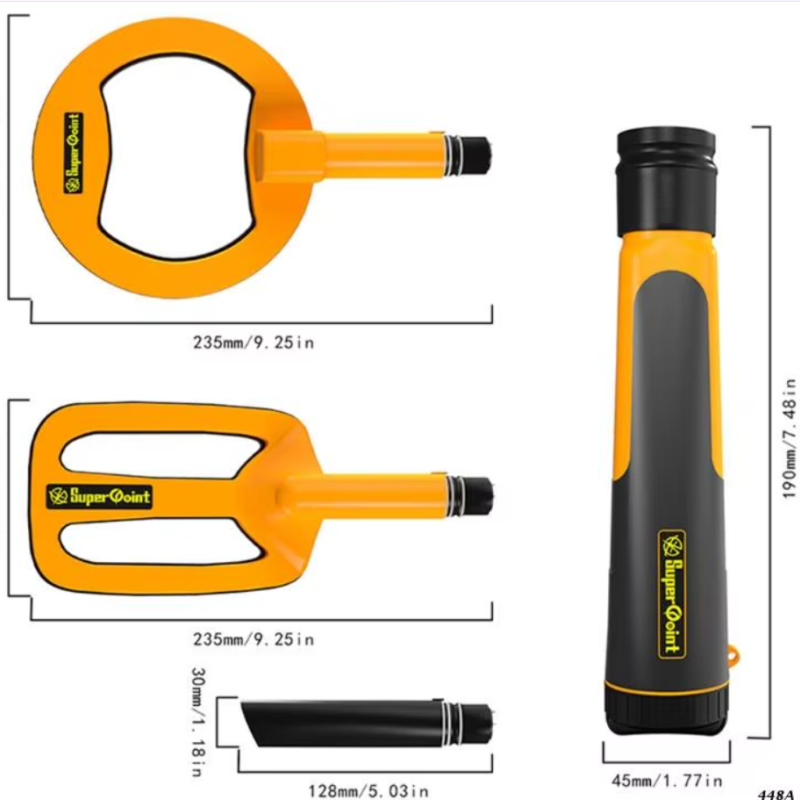
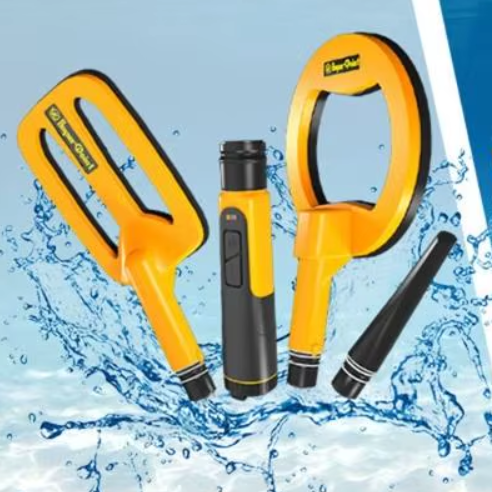
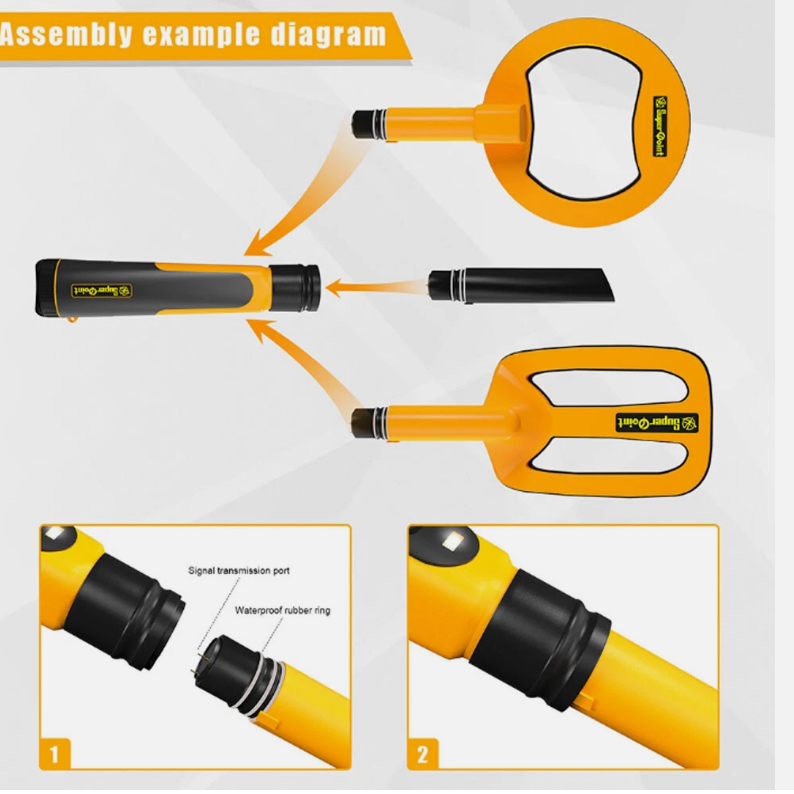
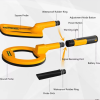
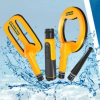
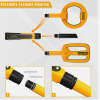
One of the standout options on the market is a portable, high-sensitivity underwater detector capable of operating at depths of up to 60 meters. These devices typically offer:
-
Multiple probes for wider scanning coverage
-
Detection of objects around 5–6 cm in size
-
Fully waterproof construction
-
Ergonomic handheld design
However, very small items (such as thin chains) may still be difficult to detect.
What to Consider When Choosing an Underwater Detector
1. Waterproof Rating (IP Certification)
A high waterproof rating, such as IP68, ensures the detector can operate reliably underwater for extended periods.
2. Sensitivity
Higher sensitivity allows detection of smaller objects, but may also increase battery consumption.
3. Battery Life
Long battery life is essential for uninterrupted use during extended dives.
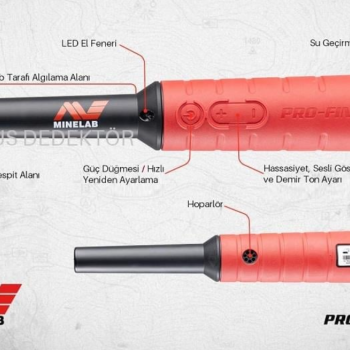
4. Ergonomics and Ease of Use
Look for features like:
-
Large, easy-to-press buttons
-
Non-slip grip
-
Simple interface for underwater operation
5. Additional Features
Advanced models may include:
-
Audio or vibration alerts
-
Depth measurement
-
GPS integration
Where Are Underwater Metal Detectors Used?
Archaeological Exploration
Commonly used to locate shipwrecks, ancient artifacts, and historical metal objects.
Port and Security Inspections
Helpful for detecting hidden metal items in harbors or underwater security operations.
Recreational Use
Popular among treasure hunters and diving enthusiasts.
Recovering Lost Items
Ideal for finding valuables such as:
-
Rings
-
Watches
-
Jewelry
lost in lakes, seas, or pools.
Professional Search and Rescue
Used by law enforcement and rescue teams to locate evidence or missing objects underwater.
Is Underwater Metal Detecting Difficult?
Searching for metal underwater can be challenging and depends on several factors:
-
Water depth: Deeper water increases difficulty
-
Visibility: Murky water reduces efficiency
-
Seabed composition: Sand, rocks, and minerals can interfere with signals
-
Weather conditions: Waves and currents affect performance
-
User experience: Skilled users achieve better results
With the right equipment and experience, it becomes both effective and exciting.
User Reviews and Real Experiences
Underwater handheld metal detectors are generally well-received by users. Common feedback includes:
Pros:
-
Strong performance at depth
-
Portable and easy to use
-
Effective for medium-sized objects
Cons:
-
Limited detection of very small items
-
Battery may drain quickly in some models
-
Buttons can be harder to use underwater
These insights are valuable for understanding real-world performance.
Conclusion: Is It Worth Buying?
If you enjoy diving, treasure hunting, or underwater exploration, an underwater handheld metal detector can be a highly useful investment. When you choose the right model, it offers excellent performance for both professional and recreational use.
Devices with strong depth capacity, high sensitivity, and durable construction tend to deliver the best long-term satisfaction.
Note:The information stated above is based on the data provided by the manufacturer.